
31 Little Things I Do for More Energy + a Better Mood

One tiny habit a day for a month. Most take five minutes or less.
Here’s a little secret I’ve learned from years of working with clients: the people who feel their best usually aren’t doing anything dramatic. No extreme diets. No hours at the gym. They just do small things, consistently.
One tiny habit won’t transform your life overnight. Stack a few together, day after day, and you’ll be amazed at how much better you feel.
So I rounded up 31 of my favorite small habits, one for every day of the month. Most take five minutes or less, many come with an easy recipe, and most are backed by some pretty fascinating research. Start with Day 1 or jump in anywhere. There’s no wrong way to do this!
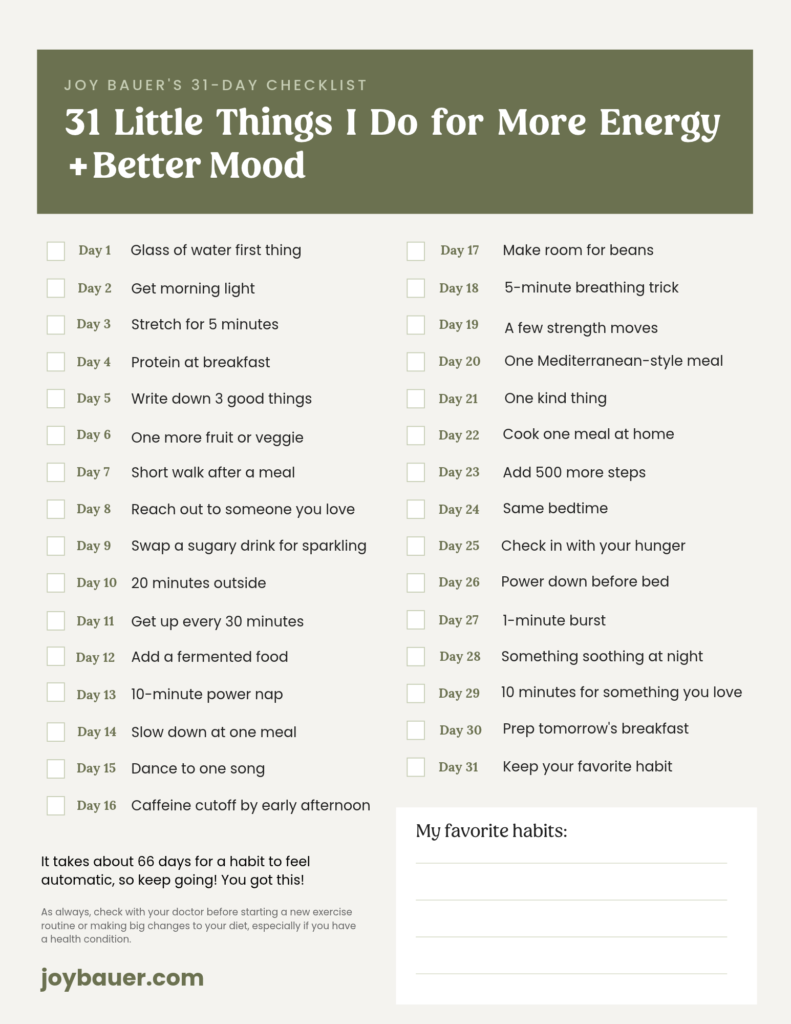
How to use this list: Try one new habit a day. Keep the ones that feel good, let go of the ones that don’t, and track your month with my free printable checklist.
Download the free printable checklist
Show me:
1. Start your day with a glass of water Eat + Drink
Before coffee, before your phone, drink a tall glass of water. In a University of Connecticut study, young women who were just mildly dehydrated (barely over 1% of their body weight) had lower moods, more trouble concentrating and more headaches. Keep a glass on your nightstand so it’s the first thing you reach for.
2. Get morning light Mood
Open the blinds, sip your coffee by a window or take a quick walk outside soon after you wake up. Natural morning light helps set your body’s internal clock, which makes it easier to feel alert during the day and sleepy at night.
3. Stretch for 5 minutes Move
Reach overhead, roll your shoulders, touch your toes. A few minutes of gentle stretching first thing in the morning or before bed eases stiffness and helps you feel looser all day.
4. Put protein on your breakfast plate Eat + Drink
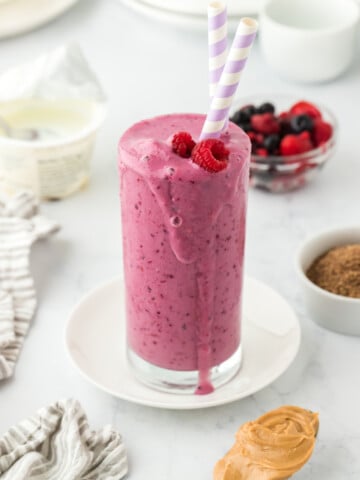
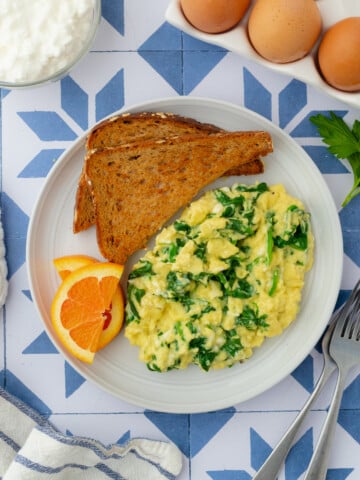
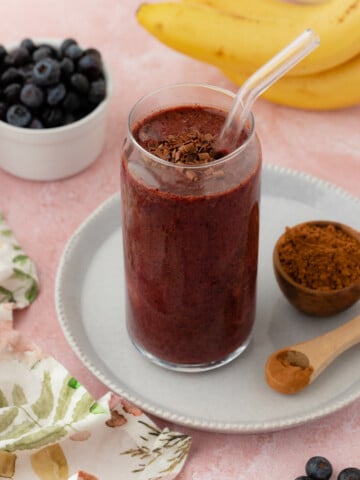
Protein in the morning keeps you full and steady for hours. In a study in the American Journal of Clinical Nutrition, young women who usually skipped breakfast did less evening snacking on sweet and fatty foods once they started eating a protein-rich breakfast. Aim for at least 20 grams from eggs, Greek yogurt, cottage cheese or a protein smoothie.

5. Write down 3 good things Mood
Before bed, jot down three things that went well and why. In a classic study published in American Psychologist, people who did this for just one week felt happier and less down for up to six months afterward.
6. Add one more fruit or vegetable Eat + Drink
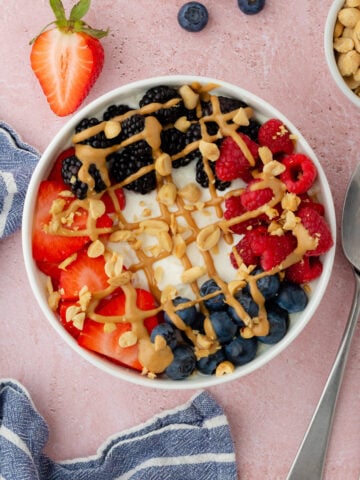
Just one! Toss spinach into your eggs, add berries to your oatmeal or roast a sheet pan of veggies for dinner. In a study in PLOS ONE, young adults who were handed two extra servings of fruits and vegetables a day for two weeks reported more energy, more motivation and a greater sense of well-being.

7. Take a short walk after a meal Move
It doesn’t have to be long. A review of studies in Sports Medicine found that even 2 to 5 minutes of light walking after eating helped blunt blood sugar spikes. Do a few laps around the house, walk the dog or stroll to the mailbox.
8. Reach out to someone you love Mood
Call your sister, text an old friend, invite a neighbor for a walk. A review of 148 studies found that people with strong social connections had a 50% greater likelihood of survival than those with weaker ties. Researchers put that benefit on par with quitting smoking!
9. Swap one sugary drink for something sparkling Eat + Drink
Trade a soda or sweet coffee drink for sparkling water with a splash of juice, a squeeze of citrus or a few muddled berries. You still get the fizz, with a fraction of the sugar.



10. Spend 20 minutes outside Mood
Fresh air is good medicine. In a study in Frontiers in Psychology, spending 20 to 30 minutes in a place that felt like nature (even a park or tree-lined street) produced the biggest drop in the stress hormone cortisol.
11. Get up every 30 minutes Move
If you sit a lot, set a timer. In a Columbia University study, adults who took a 5-minute walk every half hour during an 8-hour stretch of sitting cut their blood sugar spikes by nearly 60% and lowered their blood pressure. They also felt less tired and in a better mood!
12. Add a fermented food Eat + Drink
Yogurt, kefir, sauerkraut, kimchi and miso are loaded with friendly bacteria. In a Stanford study, people who ate more fermented foods for 10 weeks ended up with a more diverse gut microbiome and lower levels of inflammation.



13. Take a 10-minute power nap Sleep
When the afternoon slump hits, set a timer and close your eyes. In a study in the journal Sleep, people coming off a short night’s sleep tried naps of 5, 10, 20 and 30 minutes. The 10-minute nap gave the best overall boost: they felt more alert right away, without the grogginess that came with the longer naps. Aim for early afternoon so it doesn’t interfere with bedtime.
14. Slow down at one meal Eat + Drink
Put your fork down between bites and taste your food. In a study from the Journal of the American Dietetic Association, women who ate slowly took in about 70 fewer calories at a meal and still felt more satisfied than when they rushed.
15. Dance to one song Move
Turn up a favorite song and move! It counts as activity, it lifts your mood, and it’s impossible to do without smiling!
16. Cut off caffeine by early afternoon Sleep
Caffeine sticks around longer than you’d think. In a study in the Journal of Clinical Sleep Medicine, a big dose of caffeine (400 mg, about four cups of coffee) taken even 6 hours before bed cut sleep by more than an hour. My rule: cut off caffeine completely 9 hours before bed (if you’re asleep by 10 p.m., that means nothing after 1 p.m.). After that, switch to decaf or herbal tea.

17. Make room for beans Eat + Drink
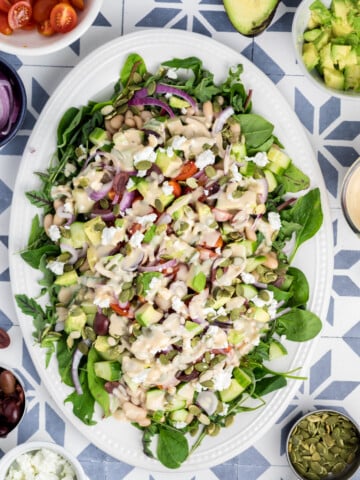
Beans, lentils and chickpeas add fiber and plant protein in a single scoop. Most of us fall way short on fiber, which keeps you full, feeds your good gut bacteria and supports healthy cholesterol and blood sugar. Stir them into soups, salads and grain bowls.


18. Try a 5-minute breathing trick Mood
It’s called cyclic sighing: inhale through your nose, take a second short inhale to fill your lungs, then exhale slowly through your mouth. In a Stanford study, people who practiced it for just 5 minutes a day for a month saw a bigger boost in mood than people who meditated.
19. Do a few strength moves Move
Strong muscles keep you steady, protect your bones and help you age well. A review in the British Journal of Sports Medicine linked just 30 to 60 minutes a week of muscle-strengthening activity to a 10% to 20% lower risk of dying early. Try squats while your coffee brews or wall push-ups during a TV commercial.
20. Eat one Mediterranean-style meal Eat + Drink
Think fish or beans, plenty of veggies, whole grains and a drizzle of olive oil. This way of eating is great for your heart, and it may lift your mood too. In the SMILES trial, adults with depression who followed a Mediterranean-style diet for 12 weeks saw their symptoms improve significantly, and about a third reached remission.



21. Do one kind thing Mood
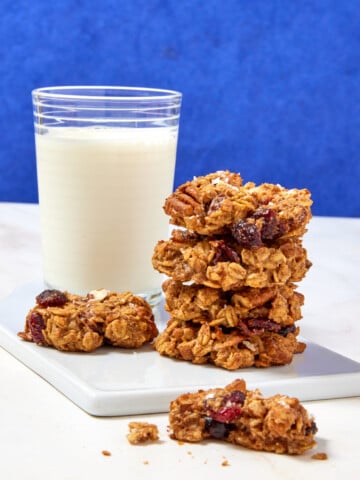
Hold the door, pay a compliment or surprise a neighbor with a batch of cookies or a container of soup for a friend who’s under the weather. An analysis of research on kindness found that doing nice things for others gives your own happiness a boost too.


22. Cook one meal at home Eat + Drink
You don’t need to be a chef. In a Johns Hopkins study, people who cooked dinner at home most nights ate fewer calories, less sugar and less fat than those who rarely cooked, even when they weren’t trying to lose weight.



23. Add 500 more stepsMove
Every step counts. In a study of middle-aged adults published in JAMA Network Open, people who took at least 7,000 steps a day had a 50% to 70% lower risk of dying over about 11 years than those who took fewer. Not there yet? Start where you are and add 500 steps at a time.
24. Go to bed at the same time Sleep
Consistency matters more than you might think. In a study of more than 60,000 adults published in the journal Sleep, people with the most regular sleep schedules had a 20% to 48% lower risk of dying early than those with the least regular schedules. Sleep regularity was an even stronger predictor than how many hours people slept.
25. Check in with your hunger Eat + Drink
Before you reach for seconds or a snack, pause and rate your hunger from 1 (starving) to 10 (stuffed). If you’re around a 5 or 6, you’re probably satisfied. Sometimes what we really want is a glass of water, a break or a few minutes of fresh air.
26. Power down 30 minutes before bed Sleep
Put your phone in another room (or at least across the room), dim the lights and give your brain a chance to wind down. Read a book, stretch or take a warm shower instead.
27. Squeeze in a 1-minute burst Move
Take the stairs fast, power-walk to your car or carry the groceries with gusto. In a study of more than 25,000 adults who didn’t formally exercise, those who did three short bursts (about 1 to 2 minutes each) of vigorous everyday activity a day had a nearly 40% lower risk of dying from any cause.
28. Sip something soothing in the evening Eat + Drink
Make a calming nightcap part of your wind-down routine. Warm chamomile tea is a classic, and tart cherries naturally contain melatonin, the hormone that helps regulate sleep.


29. Make 10 minutes for something you love Mood
Read a chapter, work on a puzzle, play the piano, call your favorite person. Joy isn’t extra… it’s part of feeling well!
30. Prep tomorrow’s breakfast tonight Eat + Drink
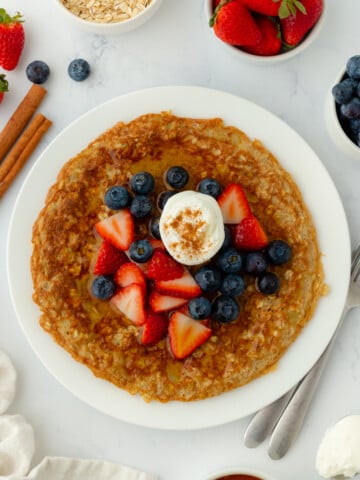
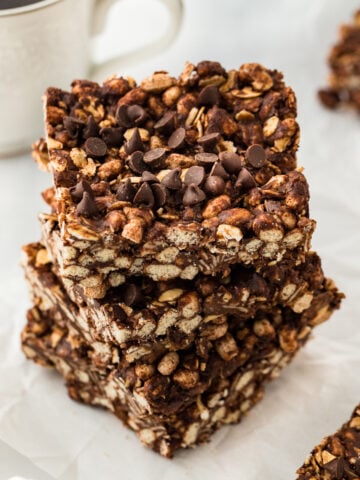
Five minutes now saves you a scramble in the morning. Overnight oats, a batch of egg muffins or a yogurt parfait in a jar means a healthy breakfast is ready the moment you wake up.



31. Keep your favorite habit Mood
Look back at the last 30 days and pick the habit that felt best. Then keep doing it. Research from University College London found it takes an average of 66 days for a new behavior to become automatic (and missing a day here and there didn’t derail people). So be patient with yourself. You’re building something that lasts!
Try: 4 Simple Habits Linked to a Longer Life
ONE HABIT A DAY
Your 31-Day Checklist
Print it, stick it on the fridge and check off each day. There’s even a spot to write down the habits you want to keep!
Download the printable checklistYou don’t have to do all 31 perfectly, or even in order. Pick one, try it today and notice how you feel. Then add another tomorrow. Little by little, you’ll get there. I’m cheering you on!
As always, check with your doctor before starting a new exercise routine or making big changes to your diet, especially if you have a health condition.