Cyclospora: What to Know, What to Eat, & How to Shop

If you’ve been seeing headlines about Cyclospora, you may be wondering what it is—and whether it’s still safe to enjoy fresh summer produce. Cyclospora is a tiny parasite that can contaminate certain fresh fruits and veggies and cause a nasty intestinal illness (think: diarrhea 💩). But you do NOT have to break up with fruits and veggies. You just have to outsmart the parasite.
In this guide, I’m sharing my personal advice: the foods worth being cautious about, the ones you can feel great about buying, smart shopping strategies, and the right way to wash your produce. Hoping this helps to keep you and your family safe. 💖
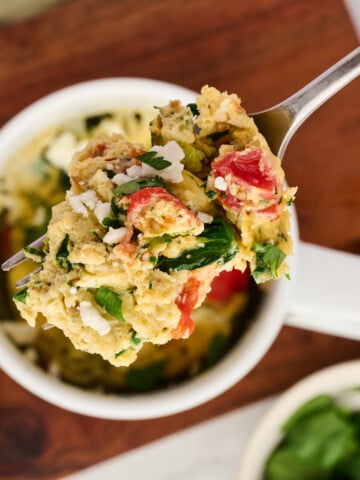
And because eating well should be safe AND delicious, I’ve provided a slew of favorite recipes throughout this page… Just remember to skip fresh herbs & scallions for the time being—unless they’re homegrown!
Save This Article
6 things I’m skipping right now
During periods when Cyclospora is making headlines, these are the foods I personally choose to avoid raw:
- Bagged pre-washed salad greens
- Fresh cilantro
- Fresh basil
- Raw snow peas
- Fresh raspberries
- Raw green onions (scallions)
Why these foods are problematic, year after year
- You eat them raw. There’s no kill step. Nothing in the process destroys the parasite.
- They have texture. Folds, crevices, seeds, little hairs. Water sheets right over the top and never touches what’s hiding underneath.
- A lot of hands touch them before you do. Picked, sorted, washed, cut, bagged, shipped. Every step is another chance for contamination.
Raw. Textured. Handled. That’s the pattern for the most problematic produce items.
Here’s what you CAN eat
Fortunately, there are plenty of delicious options.
1. Anything you can peel
- Bananas
- Oranges
- Grapefruits
- Apples
- Mangoes
- Avocados
- Potatoes
- Melons
The parasite sits on the outside of your produce. It is not inside the flesh of your orange. So when you peel, you’re not cleaning the contamination off… you’re throwing it in the garbage. That’s why peeling works so well.
One catch: wash the outside before you peel or cut, and wash your hands and your knife after. Knives, peelers, and hands transfer whatever’s on the rind straight to the part you eat. Take a dirty melon, drag a knife through it, and you did the peeling and got none of the protection.
2. Anything you can cook
Cooking kills Cyclospora reliably (~160°F does it). This is the only true kill switch on the list. A real sauté, a roast, a blanch. Not just warming something through. Get it hot.
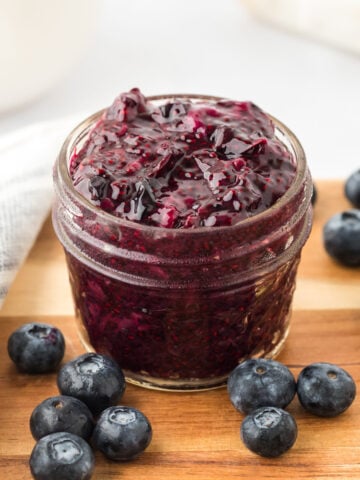
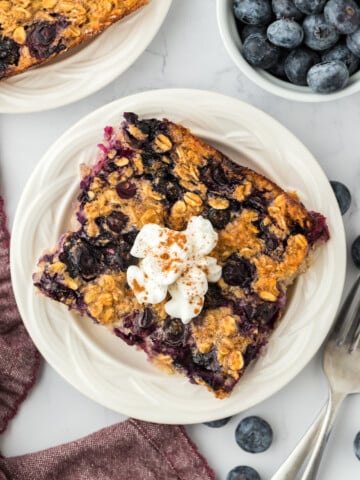
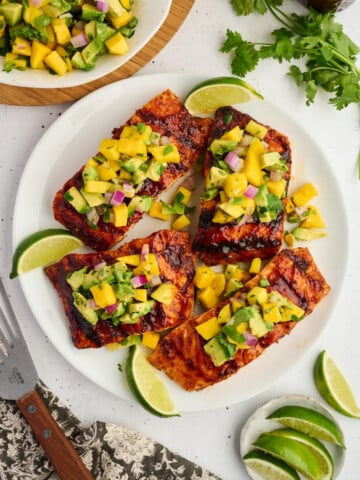
Try my roasted vegetables, carrot applesauce, blistered shishito peppers and radishes, scarpaccia (savory zucchini cake), zucchini parmesan crisps, Mexican-style corn on the cob, butternut cornbread, ratatouille skewers, addictive charred broccoli, crispy carrot parmesan, and roasted artichoke hearts. This is my favorite advice of the summer because it isn’t a sacrifice… you’re just making dinner 😉
3. Commercially frozen fruits and vegetables
In 30 years of tracking this parasite, zero cases have been linked to commercially frozen produce.
Quick freezer note: that means commercially frozen produce from the grocery store. Freezing is not a proven kill step the way cooking is. For example, if you buy contaminated raspberries and stick them in your freezer at home, you have contaminated frozen raspberries.
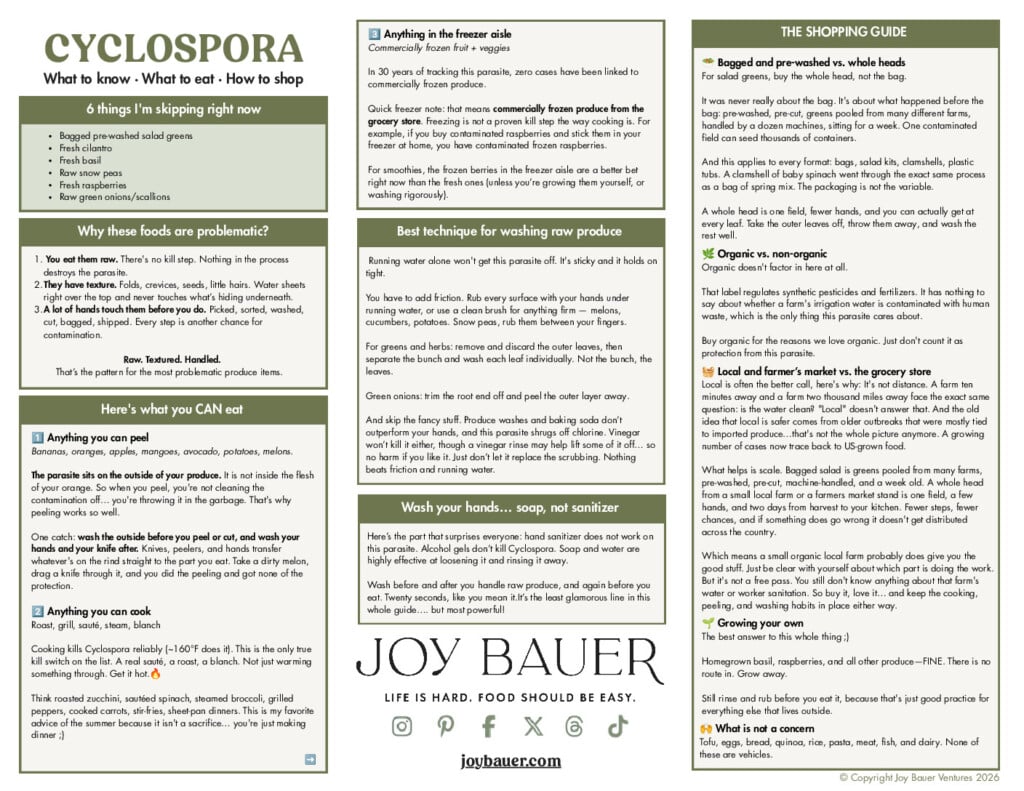
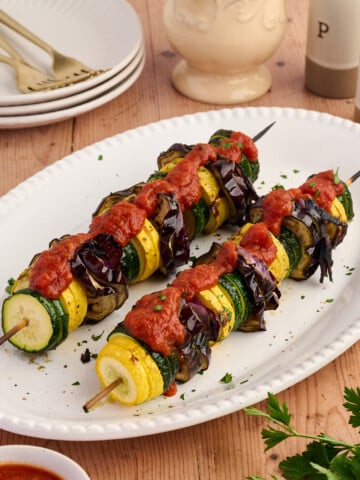
For smoothies, the frozen berries in the freezer aisle are a better bet right now than the fresh ones (unless you’re growing them yourself, or washing rigorously).




Best technique for washing raw produce
Running water alone won’t get this parasite off. It’s sticky and it holds on tight.
You have to add friction. Rub every surface with your hands under running water, or use a clean brush for anything firm— melons, cucumbers, potatoes. Snow peas, rub them between your fingers.
For greens and herbs: remove and discard the outer leaves, then separate the bunch and wash each leaf individually. Not the bunch, the leaves.
Green onions: trim the root end off and peel the outer layer away.
And skip the fancy stuff. Produce washes and baking soda don’t outperform your hands, and this parasite shrugs off chlorine. Vinegar won’t kill it either, though a vinegar rinse may help lift some of it off… so no harm if you like it. Just don’t let it replace the scrubbing. Nothing beats friction and running water.
Wash your hands… use soap, not sanitizer
Here’s the part that surprises everyone: hand sanitizer does not work on this parasite. Alcohol gels don’t kill Cyclospora. Soap and water are highly effective at loosening it and rinsing it away.
Wash before and after you handle raw produce, and again before you eat. Twenty seconds, like you mean it. It’s the least glamorous line in this whole guide…. but most powerful!
The Shopping Guide
Bagged and pre-washed vs. whole heads
For salad greens, buy the whole head, not the bag.
It was never really about the bag. It’s about what happened before the bag: pre-washed, pre-cut, greens pooled from many different farms, handled by a dozen machines, sitting for a week. One contaminated field can seed thousands of containers.
And this applies to every format: bags, salad kits, clamshells, plastic tubs. A clamshell of baby spinach went through the exact same process as a bag of spring mix. The packaging is not the variable.
A whole head is one field, fewer hands, and you can actually get at every leaf. Take the outer leaves off, throw them away, and wash the rest well.
Organic vs. conventional
Organic doesn’t factor in here at all.
That label regulates synthetic pesticides and fertilizers. It has nothing to say about whether a farm’s irrigation water is contaminated with human waste, which is the only thing this parasite cares about.
Buy organic for the reasons we love organic. Just don’t count it as protection from this parasite.
Local and farmer’s market vs. the grocery store
Local is often the better call, here’s why:
It’s not distance. A farm ten minutes away and a farm two thousand miles away face the exact same question: is the water clean? “Local” doesn’t answer that. And the old idea that local is safer comes from older outbreaks that were mostly tied to imported produce…that’s not the whole picture anymore. A growing number of cases now trace back to US-grown food.
What helps is scale. Bagged salad is greens pooled from many farms, pre-washed, pre-cut, machine-handled, and a week old. A whole head from a small local farm or a farmers market stand is one field, a few hands, and two days from harvest to your kitchen. Fewer steps, fewer chances, and if something does go wrong it doesn’t get distributed across the country.
Which means a small organic local farm probably does give you the good stuff. Just be clear with yourself about which part is doing the work.
But it’s not a free pass. You still don’t know anything about that farm’s water or worker sanitation. So buy it, love it… and keep the cooking, peeling, and washing habits in place either way
Homegrown produce
Growing your own fruits, vegetables, and herbs is the best answer to this whole thing. 😉 Homegrown basil, raspberries, and all other produce—FINE. There is no route in. Grow away!
Still rinse and rub before you eat it, because that’s just good practice for everything else that lives outside.
What is not a concern
Tofu, eggs, bread, quinoa, rice, pasta, meat, fish, and dairy. None of these foods are vehicles for Cyclospora— enjoy!